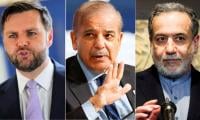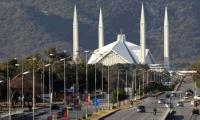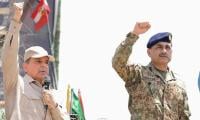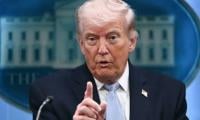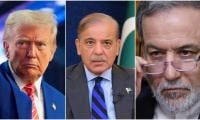
War arrives with noise. Diplomacy, when it matters most, moves in whispers – through trusted intermediaries, careful words and long-cultivated relationships. In the hours before a two-week ceasefire between the US and Iran, one of the most consequential acts of diplomacy unfolded quietly in Islamabad. Pakistan bridged adversaries who could not speak directly, not through power but through position and trust. Decades of engagement with Iran, steady ties with the US, a defence understanding with Saudi Arabia and strategic connections with Turkiye and China allowed it to act where others could not.
Messages were carried, misunderstandings eased and critical time was bought. In moments of crisis, buying time can be the most consequential act a state performs. Influence today comes not from force or size but from trust and neutrality. The world may not always notice such labour. But for a brief and critical moment, when escalation seemed inevitable, Pakistan helped the world pause. And in that pause, it spoke.
Dr Zafar Khan Safdar
Islamabad
*****
For the past few days, Pakistan has been facilitating negotiations between Iran and the US, trying to ease tensions and push toward peace. Now, with a ceasefire finally in place, Pakistan has emerged as a key mediator. This is no small achievement. It shows Pakistan stepping forward as a country capable of managing difficult situations and bridging gaps between nations that do not easily find common ground. This development carries importance not just politically, but economically as well. The stability and continued functioning of the Strait of Hormuz is a major win.
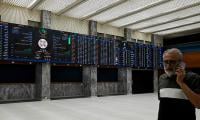
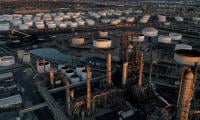
It is not only beneficial for Pakistan, but for the entire world. Petroleum prices may now stabilise or even fall, bringing relief to struggling economies everywhere. It is also worth noting how regional narratives are shaped. This ceasefire represents something far greater than politics or recognition. It has potentially prevented the loss of thousands, even millions, of lives. In this moment, Pakistan has done more than support stability; it has helped prevent a human catastrophe.
Sannia Saeed
Lahore