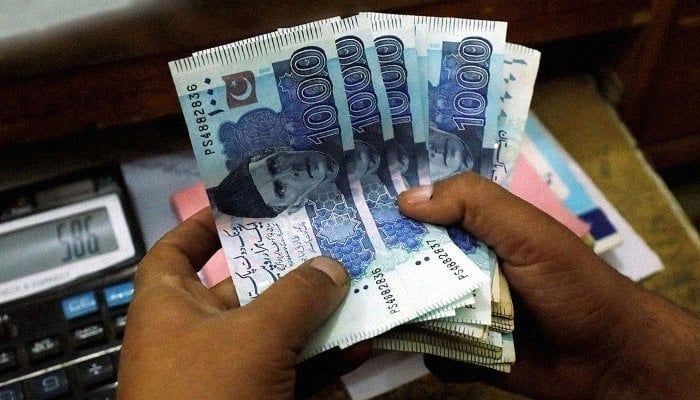
KARACHI: The Karachi Interbank Offered Rate (Kibor) declined across all tenors on Wednesday as a plunge in energy prices after a two-week ceasefire between the US and Iran eased concerns over inflation and interest rate hikes.
Kibor represents the average interest rate at which banks are willing to lend money to one another.According to data from the State Bank of Pakistan (SBP), the benchmark six-month Kibor fell by 18 basis points (bps) to 11.61 per cent. Similarly, the three-month Kibor dropped to 11.42 per cent, down from 11.68 per cent. The nine-month rate decreased to 11.96 per cent, falling from 12.13 per cent, while the one-year rate declined to 12 per cent, down from 12.16 per cent.
“Kibor fell today because oil prices dropped 15-18 percent after the ceasefire,” said Saad Hanif, head of research at Ismail Iqbal Securities Limited.“Cheaper oil means lower energy and transport costs, so the inflation spike markets were worried about is now less likely. With that threat gone, expectations of rate hikes faded, and Kibor followed,” Hanif added.
The anticipated reopening and normalisation of flows through the Strait of Hormuz is expected to keep energy prices in check, easing inflationary pressures globally and domestically, said Chase Securities in a note. “For Pakistan, this translates into a positive macro impulse, with domestic fuel prices likely to witness a meaningful decline in the coming weeks,” it added.The SBP will hold its policy meeting on April 27.