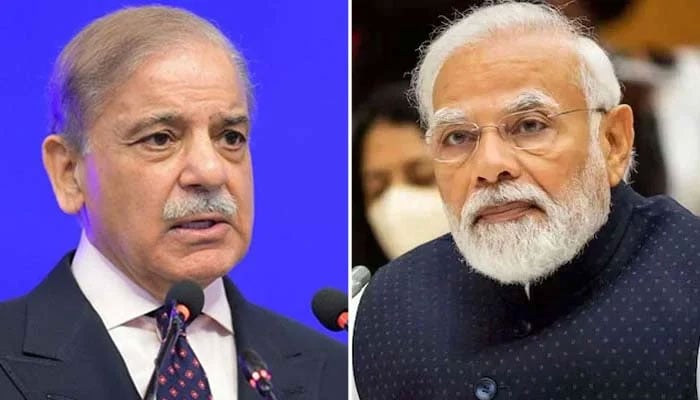
Pakistan’s rise as a key back-channel between Iran and the United States, alongside Egypt and Türkiye, marks a sharp strategic setback for New Delhi. For a decade, Prime Minister Narendra Modi has sought to project India as a central pole in global crisis management while attempting to isolate Pakistan diplomatically. This moment undercuts both ambitions, says an analysis by The Wire.
The collapse of the “isolate Pakistan” policy is among the most significant setbacks in India’s recent diplomatic history. It exposes the limitations of a foreign policy that prioritised optics over sustained regional engagement. At a time when tensions between Washington and Tehran risk escalation, the United States has turned to Islamabad as a conduit — not New Delhi. That choice alone signals that Pakistan remains a relevant and credible actor in high-stakes diplomacy.
This development is particularly damaging for Modi’s cultivated image as a global peacemaker and “Vishwaguru”. While Pakistan is associated with efforts to prevent escalation, India appears preoccupied with safeguarding energy routes and managing external pressures, especially from Washington. The contrast is stark: one country shaping the crisis narrative, the other reacting to it.
In the first major US-Iran confrontation of Donald Trump’s second term, the emerging back-channel architecture runs through Ankara, Cairo and Islamabad — not New Delhi. This suggests that, in moments requiring delicate mediation, India is not viewed as a neutral or agile interlocutor. Instead, it is seen as too closely aligned with the United States and Israel, limiting its diplomatic flexibility.
India’s constrained posture is further highlighted by its cautious approach towards Iran, shaped by concerns over US sanctions. While New Delhi calibrates its moves to avoid penalties, Pakistan has managed to maintain working relationships with both Washington and Tehran. Iran’s willingness to accept Islamabad as a conduit — and its openness to Pakistan’s broader regional engagements — indicates a level of trust that India currently lacks.
The implications extend beyond perception. India has invested heavily in Iran’s Chabahar Port to secure access to Central Asia and bypass Pakistan. Yet its exclusion from critical diplomatic channels has diminished the project’s geopolitical relevance. If Pakistan emerges as a broker in regional crises, it accrues both influence and goodwill — advantages New Delhi had hoped to build through economic engagement.
Meanwhile, US pressure on India over tariffs and energy imports has reinforced the perception that Washington sees New Delhi more as a transactional partner than a strategic equal. The expectation that India should align with US priorities, without shaping outcomes, underscores the limits of its current approach.
Pakistan, in contrast, has leveraged improved ties with Washington while retaining functional engagement with Tehran. Its leadership is now seen as capable of facilitating dialogue in a volatile environment, enhancing its standing in both Western and regional security circles. This dual access provides Islamabad with diplomatic leverage that New Delhi presently lacks.
The coordination between Pakistan, Türkiye and Egypt also points to the emergence of a new middle-power alignment in West Asia. Their roles in Gaza, the Red Sea and broader Islamic forums position them as credible intermediaries acceptable to multiple stakeholders, including Iran. India’s absence from this evolving framework highlights the cost of its recent strategic choices.
Ultimately, this episode represents a challenge to the foundations of Modi’s foreign policy. A strategy built on high-visibility diplomacy and close alignment with select partners has left India with reduced maneuverability in complex regional crises. Pakistan’s ability to step into a mediating role underscores that influence in international politics is determined less by projection and more by positioning, credibility and balance.
For a country aspiring to global leadership, being sidelined in its own extended neighbourhood is a significant setback — one that raises difficult questions about the direction and effectiveness of its foreign policy.