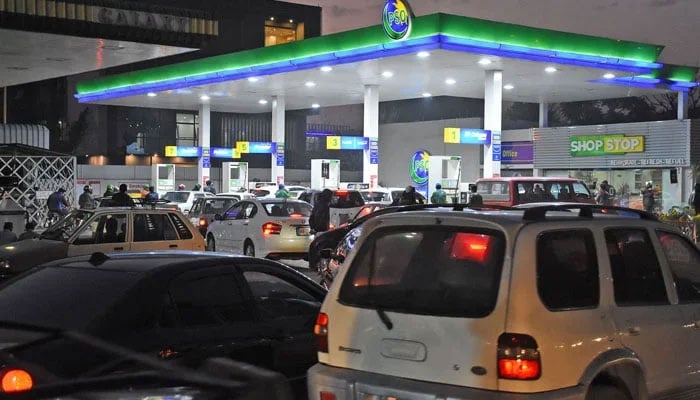
KARACHI/ISLAMABAD: Oil marketing companies (OMCs) have fixed supply quotas for petrol pumps across the country amid rising concerns over the worsening situation in the Middle East, the All Pakistan Petrol Pumps Owners Association said in a letter to the prime minister on Wednesday.
The association said OMCs were either not supplying fuel or limiting deliveries to such an extent that filling stations were struggling to meet public demand, with some running dry. “Orders are placed and then cancelled, and tank lorries remain stuck for long hours without being loaded,” the association said.
It urged the government to take the association on board in view of the serious situation and called for directives to OMCs to ensure uninterrupted supply of petroleum products, warning against the creation of artificial shortages that could trigger panic.
Petroleum dealers said petrol pumps were being allocated supply quotas based on their average sales over the past six months. With international oil prices rising, dealers expect a significant increase in local fuel prices and said many pumps had begun placing large orders in anticipation of a price hike.
Sources in the sector said even outlets with lower historical sales were placing unusually high orders in an effort to maximise potential gains. They argued that the imposition of quotas would help ensure more equitable distribution and prevent supply disruptions. Petrol and diesel sales have surged in recent days on expectations of higher prices, they added.
Separately, the Middle East conflict has disrupted RLNG supplies. According to sources at the Sui Southern Gas Company, reduced RLNG deliveries have created a significant shortfall in the transmission system. Around 650 million cubic feet per day (mmcfd) of natural gas is currently being supplied to Karachi, but an 80 mmcfd reduction in RLNG has worsened the city’s gas crisis.
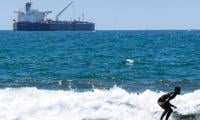
Sources said the gas network was under severe strain, as the last RLNG cargo vessel is currently docked at the Karachi Port Oil Terminal, adding to system pressure. Meanwhile, crude oil shipments for two refineries have been delayed due to the closure of the Strait of Hormuz. Industry sources said a 70,000-tonne cargo for the Pakistan Refinery Limited, which was scheduled to arrive on March 7 after departing on March 3, has been unable to proceed. A separate cargo of 550,000 barrels for the National Refinery Limited has also been held up due to the disruption.
Responding to concerns, the Oil and Gas Regulatory Authority (Ogra) said temporary supply management measures may be implemented to discourage hoarding during periods of extreme price volatility.
“To ensure the uninterrupted availability of petroleum products and to discourage hoarding during periods of extreme price volatility, oil marketing companies may temporarily regulate supplies to retail outlets based on their historical sales patterns. This measure is a standard supply management practice aimed at maintaining stability in the distribution system,” said Ogra spokesman Imran Ghaznavi.
He added that the country currently holds adequate stocks of petrol and diesel, well within the required limits, and that there is no shortage of petroleum products. Citizens were advised not to pay attention to rumours and to rely only on information issued through official channels.
The move comes after Minister for Petroleum Ali Pervaiz Malik sought emergency crude oil supplies from Saudi Arabia via the Red Sea Port of Yanbu, a diplomatic scramble triggered by the Hormuz closure.
Under the new directive, oil marketing companies will measure each retail outlet’s historical throughput and limit deliveries accordingly, a mechanism intended to prevent bulk purchases by hoarders anticipating further price spikes. Outlets that exceed their typical daily or weekly sales volumes would be flagged for reduced allocations.
Rationing is rarely introduced in the absence of some distributional stress, whether from actual scarcity, anticipated scarcity, or the logistics of rerouting supplies through alternative corridors such as Yanbu.
Ogra did not specify how long the temporary restrictions would remain in effect, nor did it disclose what reserve levels currently stand at in precise terms. However, on Saturday, the regulator said, “the stock position is very healthy and 28 days of each petrol and diesel in hand.”
Pakistan imports the bulk of its crude oil through the Strait of Hormuz, making it one of the countries most exposed to the ongoing disruption in Gulf shipping lanes. The government has said it is monitoring the situation daily and working to ensure continuity of energy supplies for its population of over 240 million.