MUNICH: European Commission President Ursula von der Leyen reflected a feeling of profound change among European leaders at this weekend’s Munich Security Conference when she said: “Some lines have been crossed that cannot be uncrossed anymore”.
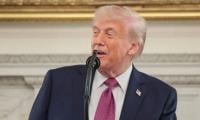
Transatlantic ties have already been strained over the past year by Donald Trump’s return to the White House. But the US president’s push to annex Greenland dramatically increased European doubts about Washington’s commitment to protect the continent through the Nato alliance.
US Secretary of State Marco Rubio offered limited reassurance to Europeans in his conference speech. Rubio said the US wanted to work with Europe and used a warmer tone than Vice President JD Vance last year. But he was critical of Europe’s recent political course and did not mention Nato, Russia or Moscow’s war in Ukraine - issues on which a gulf has emerged between the US and its partners in the alliance.
With the war about to enter its fifth year and Moscow viewed as an increasing threat by its European neighbours, leaders from the continent declared they would accelerate efforts to boost their own defences and rely less on the US.
That, in theory, puts them on the same page as Trump. His administration says it expects Europe to take primary responsibility for the conventional defence of the continent in the coming years. In return, Washington will keep its nuclear umbrella over Europe and uphold NATO’s mutual defence pact.
German Chancellor Friedrich Merz, French President Emmanuel Macron and British Prime Minister Keir Starmer pledged their commitment in Munich to a stronger “European pillar” within Nato. But a stronger home-grown defence is also a hedge against Trump or a future US leader deciding not to defend Europe.
“This new beginning is right under all circumstances. It is right if the United States continues to distance itself. It is right as long as we cannot guarantee our own security on our own,” Merz told the conference on Friday.
In another sign of the nervousness surrounding US security commitments, Merz said he had begun talks with Macron about a European nuclear deterrence.
France holds the only truly independent nuclear deterrent in Europe since Britain’s Trident nuclear missiles are made and maintained by the United States.