GENEVA: The world must scale up efforts to alleviate the human suffering in Gaza, building on the momentum from the ceasefire´s first phase, the head of the Red Cross said on Friday.
The US-brokered ceasefire, which sought to halt the fighting between Israel and Hamas sparked by the group´s October 2023 attack, has been in place for more than three months despite both sides accusing the other of repeated violations.
Earlier in January, Washington announced the truce had progressed to its second phase, intended to bring a definitive end to the war.
“States must harness the momentum generated by the first phase of the agreement between Israel and Hamas to urgently improve the dire humanitarian conditions in Gaza,” Mirjana Spoljaric, president of the International Committee of the Red Cross, said in a statement.
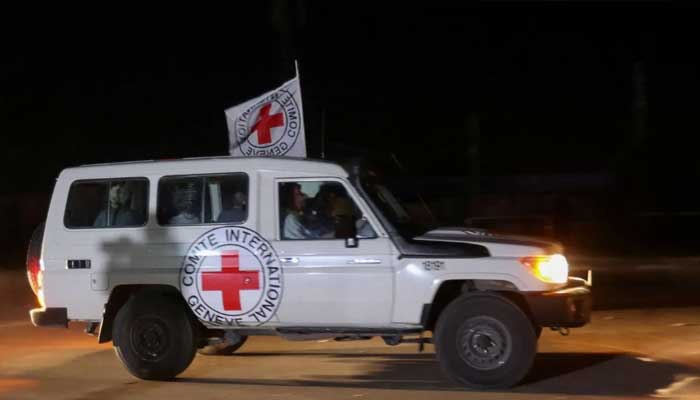
Over the last 15 weeks, the ICRC worked with Israel, Hamas and the ceasefire mediators to help bring hostages, detainees, and the remains of the deceased back to their families, as outlined in the first phase of the agreement, Spoljaric said.
The remains of the final Israeli hostage, Ran Gvili, were returned earlier this week.
“These actions allowed families to be reunited with their loved ones and properly mourn those they lost. This work, however difficult, demonstrates the irreplaceable role of humanitarian steps in the long path towards peace,” said Spoljaric.
“The international community must now seize every opportunity to scale up efforts that alleviate suffering in Gaza.”
Spoljaric said this included Israel easing entry restrictions on so-called dual-use material and equipment, such as water pipes and generators, to restore basic infrastructure.
“Many people in Gaza are still living in the rubble without basic services, struggling to stay warm amid harsh winter conditions,” the ICRC chief said.
“Thousands of families continue to wait for news about their loved ones. Hospitals, homes, schools and water systems need to be repaired, and unexploded ordnance must be cleared.”