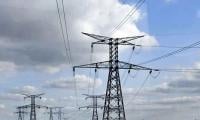
ISLAMABAD: The World Bank (WB) on Thursday asked Pakistan to adopt an outcome-based approach for seeking a multibillion-dollar loan on a medium- to long-term basis to address the cash-bleeding power sector.
There is a long wish list for the energy sector, including power and gas sectors, but the WB has communicated to the government that it will assess the sector in its totality and then propose measures to fix the cash-starved sector.
“We have approached the WB for refinancing of the power sector debt to replace expensive debt with cheaper loans from the multilateral creditor. The government is also increasing the incremental package for industries from 25% to 50% at the demand of industrial sector, due to reduced consumption by the industrial sector last fiscal year owing to contraction in Large Scale Manufacturing (LSM),” top official sources confirmed on Thursday.
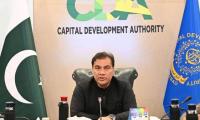
Federal Minister for Finance and Revenue, Senator Muhammad Aurangzeb, held a meeting with Ms Bolormaa Amgaabazar, Country Director, World Bank Pakistan, at the Finance Division, along with their respective teams, to review ongoing collaboration and discuss priority areas under the World Bank’s Country Partnership Framework (CPF) with Pakistan.
Both sides acknowledged that Pakistan has made progress toward macroeconomic stability through prudent fiscal and monetary policies and emphasised the need to translate this stability into sustained economic growth, higher investment, and job creation.
Sectoral priorities, including digital services exports, agriculture and agribusiness, minerals and mining, healthcare, and selected manufacturing segments, were also discussed as potential focus areas for future World Bank-supported operations. Both sides agreed that targeted sectoral interventions, supported by regulatory and institutional reforms, could generate high-impact employment and export growth.
![[Analysis] Isolated And Under Fire: Iran Strikes Out As Russia, And China Stand Aside](https://www.thenews.pk/assets/uploads/akhbar/2026-03-06/s_1403010_032040_updates.jpg)