LAHORE: The year 2025 has been a successful phase for Pakistan’s water and hydropower sectors, highlighting the role of the Water and Power Development Authority (Wapda) in overcoming various logistical challenges.
Throughout the year, Wapda remained the backbone of the national grid, consistently delivering substantial amounts of clean, green, and cost-effective hydel electricity while achieving key milestones in its ongoing mega-projects.
This contribution has been critical as the nation seeks economic stability, with Wapda’s total generation from its 22 hydel power stations reaching an impressive 33.12 billion units, representing around 30 per cent of total national generation.
The financial impact is particularly notable, with hydel electricity priced at Rs3.83 per unit, effectively subsidising the broader power sector. Compared with the overall basket tariff of the national grid, hydropower remains Pakistan’s most economical energy source, supporting social development and shielding the industrial sector from fluctuations in imported fuel prices.
As a zero-carbon energy source, hydropower has also reinforced Pakistan’s commitment to sustainable growth, providing an environmentally responsible option amid growing global climate concerns.
Key contributors included Tarbela Hydel Power Station (14.3 billion units), Tarbela 4th Extension (5.6 billion units), Ghazi Barotha (6.5 billion units), and Mangla (3.6 billion units), while smaller facilities such as Warsak and Chashma generated a combined 1.5 billion units. The remaining 1.56 billion units came from three high-head hydel stations, Jinnah Hydel, and other small hydel stations.
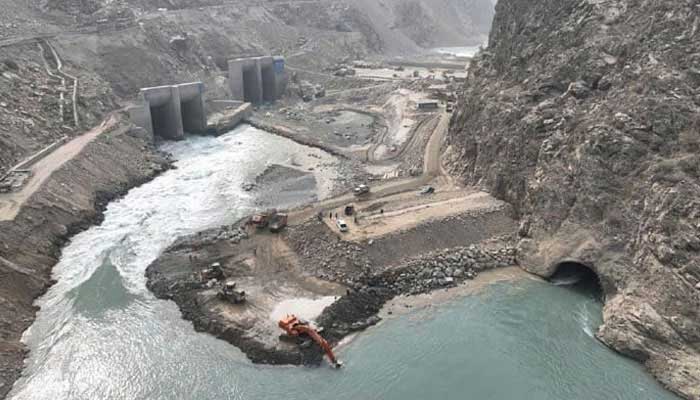
Beyond generation, Wapda made substantial progress on eight major projects under construction, including Diamer Basha Dam, Mohmand Dam, Dasu Hydropower Project, Tarbela 5th Extension, and the Greater Karachi Bulk Water Supply Scheme (K-IV). A milestone was reached in August when dam filling began at Mohmand, while Diamer Basha and Dasu are set to commence roller-compacted concrete works in 2026.
These projects are expected to transform Pakistan’s water and energy security, contributing 9.7 million acre-feet to national storage and nearly doubling installed hydropower capacity from 9,500 MW to around 20,000 MW. They will also ensure vital municipal water supplies, delivering 260 million gallons per day to Karachi via K-IV and 300 million gallons per day to Peshawar through Mohmand Dam.
By combining immediate economic relief through affordable tariffs with ambitious infrastructure development, Wapda has cemented its role as a key driver of Pakistan’s agricultural and industrial growth.