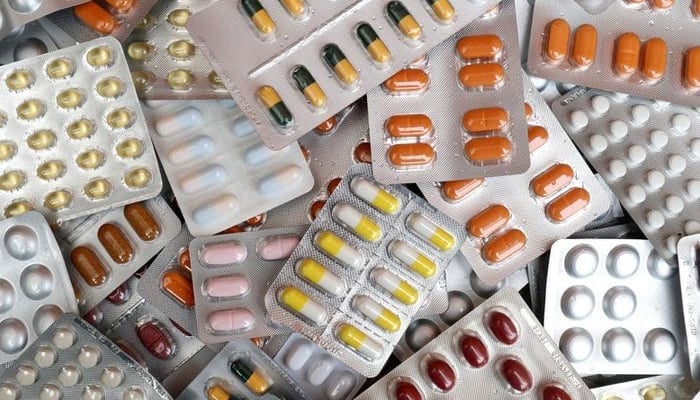
ISLAMABAD: The Drug Regulatory Authority of Pakistan (Drap) has invited bids to conduct a comprehensive national survey of 400 top-selling non-essential medicine brands to assess changes in prices since the deregulation of non-essential medicines in February 2024, senior Drap officials said on Saturday.
The move follows an earlier survey of 100 leading non-essential medicine brands carried out by Drap this year, which showed that prices of those medicines had increased by an average of 32 percent over a two-year period. Officials said the new and expanded review is aimed at building a broader evidence base to better understand market trends after deregulation and to support informed policymaking.
A senior Drap official said the earlier exercise provided useful baseline information, but a larger sample was required to capture variations across regions, formulations and stock-keeping units. He said surveying 400 of the top-selling brands would allow the authority to objectively assess price movements and evaluate the overall impact of deregulation on the pharmaceutical market.
Under the proposed survey, an independent consultant or research firm will collect current market prices from pharmacies, distributors, hospitals and clinics and compare them with pre-deregulation maximum retail prices maintained by Drap. The survey will be conducted in six major cities, including Islamabad and Rawalpindi, Lahore, Karachi, Peshawar, Quetta and Multan.
According to tender documents issued by Drap, the survey will cover 400 of the top-selling non-essential medicine brands across all formulations and stock-keeping units, excluding medicines listed on the National Essential Medicines List. The exercise will also identify price variations and market trends that have emerged following deregulation.
Prices of non-essential medicines were deregulated in February 2024 to allow manufacturers greater flexibility in pricing, a step intended to address supply-side challenges and improve the availability of medicines. Since then, Drap has been monitoring market behaviour to ensure transparency and assess the outcomes of the policy.
The earlier survey of 100 top brands indicated an average 32 percent increase in prices over two years. Officials say the new survey will help determine whether similar trends are observed across a wider range of products and provide updated data for review.
Former Pakistan Pharmaceutical Manufacturers Association chairman Tauqeer ul Haq has said that the impact of deregulation on medicine prices has been limited, stating that most price increases reflect inflation, exchange-rate pressures and higher production costs rather than deregulation itself.
He maintained that the actual post-deregulation increase in prices of existing medicines remains modest and that improved availability of medicines has been one of the key outcomes of the policy. “The Drap survey revealed that the average price increase per year was 16 percent, and if we look at the introduction of new molecules and unit sales, the impact is hardly 13.5 percent per year, which is justifiable,” Tauqeer ul Haq said.
Drap has invited proposals from qualified consultants and research firms through the EPADS portal under a single-stage, two-envelope bidding process. Bids must be submitted by December 29, 2025, and only electronic submissions will be accepted.
Officials said the findings of the survey will be shared with relevant stakeholders and used to guide future decisions related to medicine pricing and regulation in the country.