Print Story
X




A stronger modest fashion sector can generate high-value exports; create jobs for women and youth;and boost our presence on the global stage
| P |
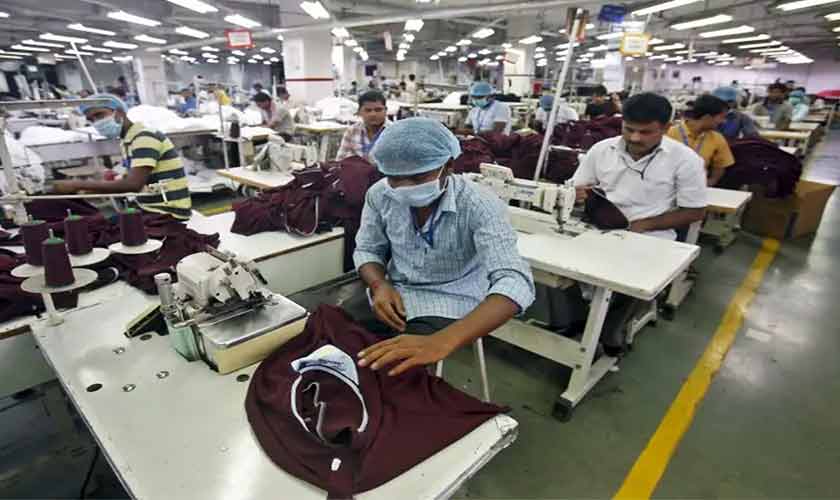
akistan’s textile and apparel sector has long been important to the national economy. It employs millions of people and is one of the country’s most reliable sources of foreign exchange. Yet for decades, Pakistan has remained stuck at the lower end of the global value chain - mainly exporting raw yarn and basic garments while the real profits go to brands that control design, branding and finished products.
In today’s rapidly changing fashion environment, modest fashion can be a genuine game changer for Pakistan. Global demand for elegant yet modest clothing continues to rise sharply. According to the State of the Global Islamic Economy Report 2024-25, the global modest fashion market is expected to reach $433 billion by 2028, marking a 32 percent growth from $327 billion in 2023. Yet this massive opportunity remains largely overlooked. Only a handful of countries — most notably Indonesia and Turkey — are seriously investing in it. Pakistan, with its rich cultural heritage and millions of skilled hands, has a real chance to join them.
Modest wear is experiencing strong and rapidly expanding global appeal. Women worldwide are increasingly seeking clothing that works well for the workplace, family gatherings and travel, without having to sacrifice style or comfort. Pakistani manufacturers and designers hold a clear competitive edge in this segment. What truly sets Pakistan apart is a culture of modesty. This is not just a passing trend; it is a value carried for generations. The instinctive grace and dignity are a quiet superpower. Several local brands have already built strong international followings in the Gulf, Europe, North America and Australia by staying true to this heritage while embracing modern design.
A new generation of young designers and artisans is also bringing fresh creative energy to the sector. As a result, Pakistan’s modest fashion industry is now set to deliver high-value exports, youth employment and inclusive growth.
Guangzhou in China offers a powerful example. By bringing together thousands of factories, suppliers, designers, wholesalers and exporters in a single integrated hub, the city has built one of the world’s largest garment manufacturing and export centres. This ecosystem has created massive scale, efficiency and global competitiveness. Pakistan needs to build a similar supportive ecosystem for modest fashion.
The challenges facing fashion businesses in Pakistan are well known. High energy costs make consistent production expensive and unreliable. Access to fast-changing global trends and modern digital tools is still limited across most of the industry. Women, who should be the backbone of the fashion economy, are mostly stuck in the informal sector and face major barriers when trying to formalise or grow their operations. These issues need to be effectively addressed through focused support and practical measures rather than launching large new programmes.
Brands that have successfully overcome these challenges demonstrate what is truly possible when quality, genuine customer insight and strong digital presence come together. Through my experience in economic analysis and building Apricocia, I have seen firsthand the dedication, customer focus and resilience it takes to succeed in this space. The women who wear these garments, the artisans who stitch them and the young designers who create them are eager to contribute more.
To move from scattered success stories to sector-wide progress, we should pursue a few focused, practical steps that reinforce and expand what is already working.
First, instead of creating small hubs, Pakistan should establish a Modest Fashion City — a world-class ecosystem that brings together shared facilities for prototyping, small-batch manufacturing, digital design tools and e-commerce training. This city should also include design incubators and direct export support, turning it into the heartbeat of Pakistan’s modest fashion revolution. The goal must be to provide affordable, high-impact support that helps SMEs move rapidly from concept to market and compete on the global stage.
Second, launch a National Modest Fashion Export Mission with clear targets. This mission should provide government-backed business-to-business (B2B) platforms, easier SME export financing and strong marketing support. Such measures have delivered remarkable results in other countries. Indonesia, for example, launched targeted initiatives in 2022 and witnessed an 83 percent jump in modest fashion exports to OIC countries the following year. Pakistan can achieve similar success by strengthening the TDAP and the SMEDA, helping our brands reach global buyers and scale sustainably.
Third, place women entrepreneurs at the heart of Pakistan’s modest fashion strategy. We must create a dedicated women’s modest fashion fund supported by strong mentorship and business training programmes. Women play a major role in garment production and support their families, yet very few of them are part of the formal economy. This fund should help women move from informal piece-rate work to becoming successful brand owners and exporters. When women lead, families and communities rise with them; so does the nation.
Fourth, we should position Pakistan as the global capital of ethical and sustainable modest fashion. By offering special incentives for eco-friendly fabrics, ethical production, and transparency, we can attract premium international buyers who are ready to pay higher prices for clothing that aligns with ethical values.
Fifth, build a national creative talent platform that connects thousands of freelance designers, photographers, digital marketers and content creators with fashion brands across the country. This will reduce costs, spark innovation and give young talent a direct path into the industry without heavy investment.
The potential is clear. A stronger modest fashion sector will generate high-value exports; create jobs for women and youth; and boost our presence on the global stage. We already have the skills, creativity and cultural roots. The real question is whether we will come together and work with purpose to turn this into something lasting. If we do, modest fashion can play a real role in building the kind of inclusive growth our country has been working towards for years. The time to act is now — before others capture what should be ours.
The writer is founder and CEO of Apricocia. He can be reached at [email protected]