Print Story
X




Local communities are paying the environmental price of coal extraction in Thar
| T |
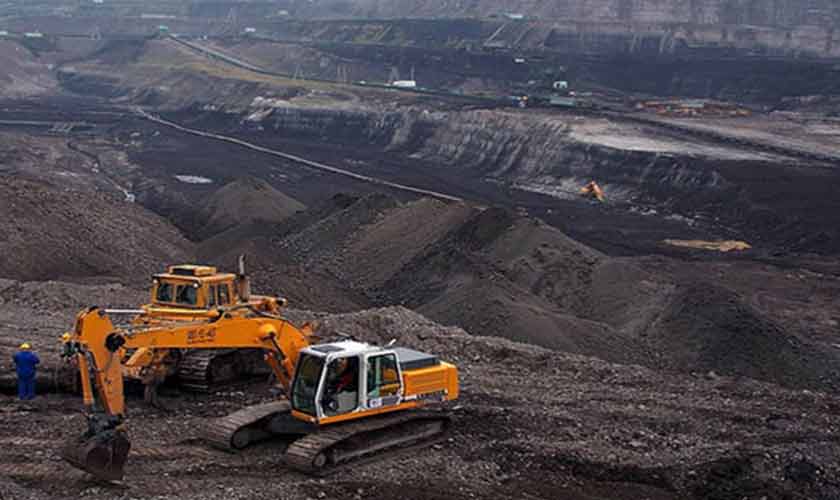
hirteen years ago, Tharparkar had clean air. In recent years, the wind have carried something unsafe. The coal mining projects in Thar have transformed the landscape economically, politically and environmentally. Roads, heavy machinery, open-pit mines, smoke, chemical discharge and industrial movement have literally transformed the region once known for its pristine environment, indigenous wisdom and climate resilience.
For several years, coal extraction projects in Thar have been presented as symbols of development and energy security. Governments, mining companies and investors have described them as engines of success, growth and development. Beneath these promises lies another narrative: increasingly voiced by local women, the youth, farmers and cattle herders whose lives are being reshaped by pollution, environmental degradation and declining natural resources.
Today, many residents of Thar ask why they paying the environmental price of the touted development?
Among other things, the Tharis are paying for open-pit mining. Open-pit coal extraction fundamentally alters the ecosystem. Enormous pits are currently being dug, exposing underground layers, releasing dust and disturbing natural water systems. These operations affect not only the land directly surrounding the mines but also the ecological balance of the desert. They may eventually impact the entire region, including parts of Umerkot.
Dust particles from mining are now carried by Thar’s once clean air, affecting homes, water systems and grazing lands. Heavy vehicle traffic has increases emissions and noise pollution. Chemical residues and industrial waste may gradually affect groundwater quality. Villagers who have traditionally once depended on wells and rainwater harvesting are worried about water contamination, soil fertility and respiratory illnesses.
There is still time for communities to demand that the coal companies contribute to the environmental cleanup. They can support the Tharis through carbon financing. As global carbon emissions continue to rise, Thar is beginning to experience industrial pollution impacts similar to those around major factories in urban centres.
In many villages near the mining zones, people are reporting coughs, allergies, eye irritation and changing temperatures. In many cases, these concerns are being ignored. Livestock sector has also been affected. Camels, goats and sheep require clean grazing routes and healthy ecosystems. As mining zones expand, the natural movement patterns of animals are being disrupted.
The mitigation offered as corporate social responsibility (CSR) is not enough. Most coal companies operating in Thar highlight schools, water schemes, health camps, roads and community support projects they are building. While these may provide some benefits, the work does not address the environmental damage caused by industrial extraction.
Tree plantation photo opportunities cannot compensate for large-scale carbon emissions and ecological destruction. Local communities increasingly complain that the CSR is more about visibility than accountability. There is limited discussion about long-term environmental restoration, carbon offsetting, air quality monitoring, groundwater rehabilitation or climate compensation for affected families.
The issue is relatively simple: if the coal industry pollutes local ecosystems, it must pay for and invest proportionally in undoing the environmental damage. This is where Thar needs a real vision. Empty promises will no longer work; what is needed is genuine implementation of carbon justice.
International best
practices
Mining and industrial regions across the world are experimenting with carbon compensation and community-led environmental restoration, while also supporting education, health and water services alongside carbon sharing. In Australia and Kenya, local women’s groups have successfully participated in tree-based carbon projects linked to international carbon markets. Communities earn income while restoring degraded landscapes. In India, several industrial regions are introducing green belts around coal and thermal zones to reduce air pollution and heat intensity. Agro-forestry and drought-resistant plantation models are also being linked with livelihood generation. Why should Thar not demand similar environmental responsibility?
The desert has always taught resilience. Tharis have survived droughts, heatwaves, lightning events and changing realities after coal development through indigenous knowledge and collective strength.
Thar needs carbon credit initiatives. It does not need symbolic plantation campaigns. It needs a structured, measurable, community-owned carbon initiative. We propose a Carbon Justice model for Thar, where coal companies finance environmental restoration through community-led carbon programmes using digital systems and local community groups. This model may be introduced first in Islamkot and surrounding union councils and later replicated across other areas affected by mining.
The idea is practical. Coal companies can allocate a fixed environmental compensation fund for local communities, with women and youth groups digitally registered as participants. Training should be provided in climate-smart plantation practices. GPS-tagged trees can be planted and monitored digitally while carbon absorption is actually measured. Through this process, communities can earn carbon credits while promoting environmental sustainability. Unlike temporary CSR projects, this approach can create ownership, transparency and accountability.
For this approach to succeed, local women must be central to implementation. They are the natural defenders and protectors of the environment. They manage water, livestock, fodder collection and household resilience during droughts. Meanwhile, the youth are increasingly digitally connected and eager for meaningful employment opportunities. Carbon credit initiatives can combine both these strands. The youth can manage digital monitoring systems, GIS mapping, mobile applications and environmental reporting, while women-led groups maintain nurseries, community forests and moisture-conserving plantation zones.
Carbon financing mechanisms around the world already support such community-based adaptation. Designed properly, Thar can attract climate investment from international donors, green funds and carbon markets. Coal companies themselves should take responsibility, as they are among the largest contributors to pollution in the region.
There should also be a focus on local species and high carbon-sequestering trees such as ber, neem, kandi, rohida, peelu and khejri, alongside indigenous grasses and shrubs. Communities should also receive economic opportunities in handicrafts, livestock and organic products such as ghee, honey and gums, in addition to carbon credits.
Many Tharis are still not aware of the full extent of pollution and its harm. Pollution data must be measured and reported publicly. The affected communities should be sensitised in local languages. One of the biggest gaps in Thar today is the absence of transparent environmental monitoring that communities can access. People deserve to know what is happening to groundwater; how much dust pollution is there; what chemicals are being released in the streams; how air quality is changing; and what the long-term health impacts may be.
Independent environmental audits should be made publicly available in Sindhi and other local languages. Community representatives, local universities and civil society organisations must also participate in monitoring systems to ensure transparency, accountability and trust.
Coal projects have become politically sensitive. Many leaders celebrate them as historic investments. Economic growth matters, but ignoring environmental concerns will create deeper crises in the future. Communities want clean air, safe water, environmental compensation and local jobs.
The debate around Thar coal must move beyond “development versus resistance.” The future requires a new social contract between companies, government and communities. If industries profit from Thar’s land, they must also invest in healing Thar’s environment. Carbon financing, community-led plantation, digital environmental monitoring and climate justice frameworks are no longer optional ideas — they are necessary pathways for survival.
The desert has always taught resilience. Tharis have survived droughts, heatwaves, lightning events and changing realities after coal development through indigenous knowledge and collective strength. The time has come for policymakers, activists, environmental experts and community leaders to think seriously about environmental payback for Thar.
The writer, based in Umerkot, has more than 13 years of experience in the development sector. He can be reached at [email protected]