Print Story
X




Policy interventions and public-private partnerships can improve housing projects to benefit urban habitats
| A |
number of people are driven from their homes by disasters such as conflict, political instability, climate change and economic hardship. By the end of April 2025, there were 122.1 million people forcibly displaced worldwide, an increase of 2.1 million since the previous year. This number includes 42.7 million refugees who have fled across borders and 73.5 million internally displaced people (IDPs). This is accelerating urban growth.
Urbanisation rapidly changes the face of our planet in adverse ways. Recognising the challenges and opportunities of this destruction, the United Nations established World Habitat Day, observed on the first Monday of October each year. This day emphasises the importance of ensuring every individual’s right to adequate shelter and underlines the need for sustainable urban and rural habitats. The purpose of the Day is to reflect on the state of human settlements and people’s right to sufficient shelter. It also aims to remind people that they are responsible for the habitat of future generations. More than 30 years ago, the United Nations General Assembly took an important step in promoting the idea that everyone deserves a decent place to live.
The theme proposed by the United Nations for World Habitat Day 2025 is Urban Crisis Response. It highlighting how cities are facing challenges and the need for stronger planning to overcome these challenges and capitalise on the opportunities presented by rapid urbanisation. The Day matters because it creates awareness about the desire for security, affordability and sustainable housing. It provides direction to the administration and society to resolve issues in urban areas, such as the lack of shelter, critical living conditions and alleviate the consequences of climate change, as well as support equitable urbanisation to improve the future for all.
It also focuses on addressing climate change, economic instability, conflicts, displacement, disasters and inequality affecting urban areas and promoting tools for effective urban crisis response. There is a significant and increasing number of people being forced from their homes and seeking refuge in cities, putting pressure on urban systems. The Day will highlight sustainable, scalable and transformative solutions to urban displacement that help stabilise populations while promoting prosperity and fostering social cohesion for all. It will put the spotlight on the importance of urban and territorial planning, inclusive urban governance and the role of local governments in sustainable solutions for displacement.
Sustainable habitats align closely with several United Nations Sustainable Development Goals, including SDGs 9, 11 and 13, that remind us to build resilient infrastructure, promote inclusive and sustainable industrialisation, and foster innovation: make cities and human settlements inclusive, safe, resilient and sustainable and take urgent action to combat climate change and its impacts.
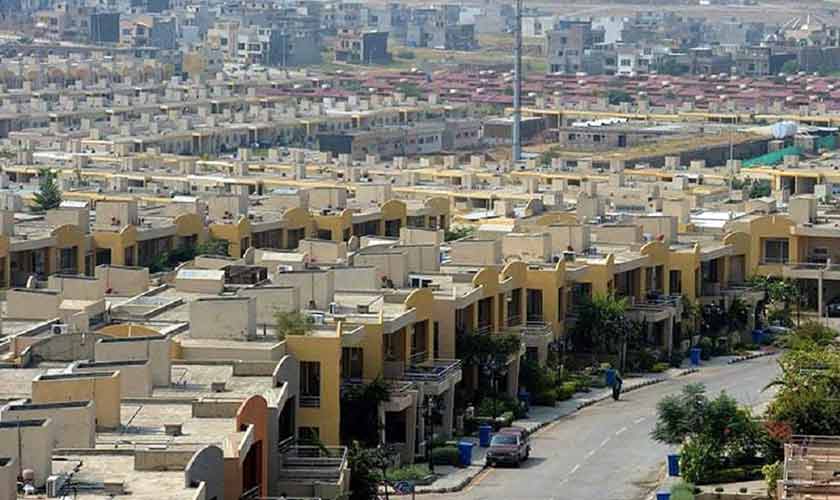
Pakistan’s habitation issues include a severe housing shortage, forcing over 50 percent of the urban population into informal settlements (katchi abadis). These areas often suffer from poor construction, lack of basic services like water and sanitation and unhygienic conditions due to inadequate waste management. Other problems include the expansion of unplanned urban development onto fertile agricultural land and the use of the dry part of a river bed for housing projects and colonies.
Providing viable alternatives to low-density suburban living can help manage growth in a more sustainable manner.
Housing for low-income groups is typically created by individuals themselves on government land or on privately owned land used for housing purposes, often in the form of residential colonies developed by informal and illegal real estate developers.
Pakistan is experiencing unplanned and irregular urban housing schemes. Low-rise, low-income urban settlements are rapidly and informally transforming into high-rise, high-density informal settlements, carrying all the associated physical, social and environmental problems. Rapid urban growth and subsequent increase in solid waste and vehicle discharges result in severe air pollution and contamination of water bodies, impacting both urban and rural environments.
The 2025 floods in Pakistan, caused by severe monsoon rains and glacier melt, resulted in hundreds of deaths, widespread displacement and significant damage to properties, infrastructure, agriculture and livelihoods, particularly in the Punjab and Khyber Pakhtunkhwa. Millions of people were displaced from their homes, seeking refuge with family in displacement sites. The affected people faced health trauma, fear and anxiety, due to the destruction and ongoing threat of future floods. The disasters that have caused huge losses of life and property in Pakistan have mostly resulted from earthquakes and urban flooding. This also has significant consequences for national economy. The urban population has grown more than three times during the last three decades. This is another outcome of habitat destruction in Pakistan.
The impact of floods in various areas of Pakistan has been severely felt in its cities. Dire living conditions have led to displacement, increased poverty and worsened food insecurity due to damaged infrastructure, loss of cropland and disrupted livelihoods, especially the destruction of properties on a large scale. The floods also raise the risk of waterborne diseases, straining the health system. Humanitarian assistance is crucial to address immediate needs for food, shelter and medical care, alongside longer-term efforts to restore damaged irrigation systems and implement climate-resilient agricultural practices. The situation is worsened by a lack of sufficient government support, poor policies and rising input costs, leading to increased food inflation and potentially higher import needs for essential commodities.
The government plans to promote vertical housing to address land loss, although this requires strict enforcement of building codes. Establishing well-structured and financially empowered city governments with the authority to manage services and generate revenue can lead to better urban planning and development. Providing viable alternatives to low-density suburban living can help manage growth in a more sustainable manner.
Actions by governments, along with corresponding policy interventions and public-private partnerships, can greatly improve housing projects to benefit urban habitats. The World Habitat Day agenda will continue to be a key focus for promoting sustainable urbanisation. The future population, especially the youth of today, needs an accessible, equitable, sustainable and environmentally friendly space to live and progress.
The writer is a playwright and freelance journalist. He can be reached at [email protected] and his blogging site: soulandland.com.