Pakistan's polio tally for 2026 has risen to five after a new case was confirmed in Khyber Pakhtunkhwa's Bannu district, the National Emergency Operations Centre (NEOC) said on Tuesday.
The latest case means four of the country's five infections reported this year have been recorded in the Bannu division, including three in Bannu district.
The latest case involves a 17-month-old girl from Khandar Khankhel Union Council in Tehsil Domel, Bannu district.
Khyber Pakhtunkhwa remains the country's hardest-hit province for poliovirus transmission. Of the 31 polio cases reported nationwide in 2025, 20 were recorded in the province, while Sindh reported nine cases and Punjab and Gilgit-Baltistan recorded one case each.
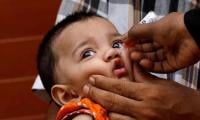
Authorities said that polio eradication is a collective responsibility, while Pakistan’s dedicated frontline workers ensure that vaccines reach every child; parents and caregivers play a crucial role by making sure their children receive all recommended doses, including routine immunisations.
The authorities added that communities, religious leaders, and the media also play a vital role in promoting vaccination, countering misinformation, and ensuring that every child in Pakistan is protected. Together, we can achieve a polio-free future for every child, in Pakistan and worldwide.
The NEOC claimed Pakistan has reduced polio cases by 99.8% through the use of safe and effective vaccines, bringing the annual caseload down from an estimated 20,000 in the early 1990s to 31 in 2025, and five reported so far this year.
The NEOC said overall poliovirus transmission has declined since 2025, but the virus continues to circulate persistently in southern Khyber Pakhtunkhwa.