Islamabad:The Centre for Social Justice (CSJ) screened its documentary A Separation Refused, highlighting the historic struggle against Pakistan’s separate electorate system and the campaign for restoration of the joint electorate.
The 20-minute documentary, co-produced by CSJ and co-directed by award-winning filmmaker Dawood Akhtar Murad and Peter Jacob, traces the introduction of the separate electorate system in 1979 and the movement for its repeal, particularly during the 1990s and until 2001.
Pakistan reintroduced the joint electorate system in 2002 after 22 years of separate electorates, marking a significant step towards equal citizenship and political representation for religious minorities.
Based on historical accounts and more than a dozen interviews, the documentary features voices including Hina Jilani, Cardinal Joseph Coutts, Dr Charles Amjad Ali and Dr Yaqoob Bangash. It also highlights the contributions of political leaders Benazir Bhutto and Shahbaz Bhatti, civil society figures Sobho Gianchandani, Asma Jahangir and I.A. Rehman, and faith community representatives and human rights activists involved in the campaign.
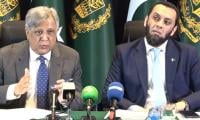
The film places the movement within Pakistan’s wider constitutional history and the continuing debate over equal citizenship and political representation. The discussion following the screening was led by Senator Farhatullah Babar, former Executive Director of the Pakistan Institute of Parliamentary Services Zafarullah Khan, and human rights activist Nabila Feroz Bhatti. Journalists, academics and civil society representatives discussed the challenges faced by marginalised communities in participating fully in democratic processes.
An original soundtrack, Hum Juda Nahin (We Are Not Separate), was also premiered at the event. The song focuses on unity, dignity and the vision of an inclusive Pakistan. Speaking on the occasion, Senator Farhatullah Babar praised the documentary for documenting the continuing struggle of religious minorities for equal political representation. He called for the Minority Commission to be made fully functional and urged reforms to the selection process for reserved seats so that representation was not left solely to political parties.
He also said nearly 10 million women, including minority women, remained without CNICs, depriving them of political participation. He called for concerted efforts to ensure their registration and electoral inclusion. He noted that Benazir Bhutto had also endorsed restoration of the joint electorate system in 2006.
Zafarullah Khan said the documentary would serve as a historical record for future generations, reminding them that the joint electorate was achieved through sustained struggle rather than being given to minorities as a gift. He said collective action with clarity of purpose could challenge unfavourable decisions and bring about change.
Nabila Feroz Bhatti said restoration of the joint electorate had improved both the frequency and quality of minority women’s representation in Parliament. She cited Senator Roshan Bhaucha, Senator Krishna Kumari Kohli, Asia Nasir and Shahneela Ruth, besides women elected to provincial assemblies, as examples of this progress.
Peter Jacob, Executive Director of CSJ, said the documentary sought to dispel the misconception that restoration of the joint electorate was the result of the efforts of only a few individuals. He said minority representation had increased beyond reserved seats, including through general and women’s seats.