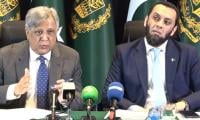
ISLAMABAD: Acting President Yousuf Raza Gillani on Wednesday said Pakistan’s democratic strength, economic progress and social cohesion could not be fully realised unless women participated equally in shaping the country’s institutions, economy and future.
Addressing the Pakistan Women Leadership and Policy Summit 2026, organised by the Islamabad Chamber of Commerce and Industry (ICCI) at the ICCI building, Gillani said if the country was to unlock its full economic potential, it must ensure that women were not only beneficiaries of development but also active drivers of it as entrepreneurs, professionals, policymakers, innovators and leaders. “It is a pleasure to join you at the Pakistan Women Leadership and Policy Summit 2026,” he said, commending the Islamabad Chamber of Commerce and Industry and all its partners for convening the important forum. The acting president said the summit brought together two indispensable national priorities: women’s leadership and sound public policy. He said women had remained pivotal to Pakistan’s national progress, from Mohtarma Fatima Jinnah, Begum Rana Liaquat Ali Khan and Begum Shaista Ikramullah to former PM Benazir Bhutto and the women CEOs and leaders participating in the summit. “Shaheed Benazir Bhutto occupies a particularly historic place in this journey. Being the first woman to lead a Muslim-majority country, she broke barriers that had long appeared impossible to overcome. “The challenge before us is therefore not whether women can lead, but whether we are prepared to create the systems that allow them to lead, succeed and shape Pakistan’s future.” Gillani said that through concrete policy and legislative measures and institutional reforms, his government had laid a firm legal and policy foundation to ensure the protection, betterment and socio-economic and political empowerment of women. The sound legal edifice created during that period addressed key areas, including protection of women against harassment at the workplace, acid violence, forced marriages and vani. He said the government had also declared December 22 as Working Women’s Day, acknowledging that Pakistan’s economic, social and democratic vitality rested substantially on the contribution of its women. The establishment of the Women’s Parliamentary Caucus during that period further reflected the commitment to ensuring that women’s rights and concerns remain central to parliamentary discourse. “A source of particular pride for me is the Benazir Income Support Programme.
By placing financial assistance directly in the hands of women, it strengthened their role as economic decision-makers within their households. It represented a transformational shift from charity to dignity and from dependence to empowerment.” He said the direction was clear then and remained clear today: Pakistan could not stand still in the face of injustice, nor could it achieve its full potential without women’s equal participation, protection and leadership. “Women’s empowerment is not a narrow social concern. It is central to national development,” he said.