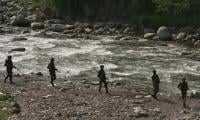
Pakistan’s 2026 monsoon season began on June 26. By the third week of August, the National Disaster Management Authority had recorded 180 deaths and 509 injuries nationwide, with Khyber Pakhtunkhwa reporting the highest toll at 74 and Punjab at 61.
Seventeen deaths were reported in Sindh, 16 in Azad Kashmir, eight in Balochistan, three in Islamabad and one in Gilgit-Baltistan. The Meteorological Department has forecast further rain across the upper half of the country until mid-September. This is not a season to be assessed once it ends. It is still unfolding, and the weeks still ahead will matter as much as the weeks already behind.
None of this arrived unannounced. The NDMA’s own assessment last year projected that this monsoon would bring 22-26-six per cent more rainfall than the previous season, following a short winter and an intense summer, with a significant risk of flooding from accelerated snow and glacier melt. Pakistan’s more than 7,000 glaciers are now melting 2-3 per cent faster than before. Successive flood seasons over the past several years have already killed more people nationwide than the country’s modern conflicts combined.
The response has matched that early warning. Daily situation reports track deaths, injuries and infrastructure damage district by district. Temporary schools for flood-affected areas and mobile hospitals for disaster zones were built into this season’s planning rather than improvised afterwards. Advisories issued for Gilgit-Baltistan, Khyber Pakhtunkhwa and Azad Kashmir in early July, after glacial floods and landslides blocked roads including a stretch in Hunza, gave tourists real warning before the heaviest rain arrived.
The twin cities show that even with a good warning system, the margins can be very thin if the infrastructure is not planned with these unprecedented rainfalls in mind. So, the warning system or reporting may have saved some lives, but Pakistan needs climate-resilient infrastructure having adaptability, robustness and recovery elements.
After 200mm of rainfall in the catchment, the water level in Nullah Lai was 29 feet at Kattarian and 23.5 feet at Gawalmandi on September 1. The danger level at these gauges is 22 feet and the channel spills at 30 feet. The evacuation started on both routes and the Rawalpindi district administration ordered a holiday for schools and urged people to refrain from unnecessary travel. In Islamabad, approximately 150mm of rain fell in E-11, filling up the drains and forcing water onto roads.
The tourist season is not over and neither is the danger to it. The Meteorological Department’s seasonal outlook indicates near-normal rainfall for the country as a whole, while highlighting above-normal rainfall for Gilgit-Baltistan, Azad Kashmir and upper KP, where tourists flock each summer. September is expected to have above-normal temperatures, which will further promote glacier and snow melt, regardless of rainfall. Warming alone can increase river flows, meaning the threat to mountain roads and valleys will not subside once the heaviest clouds have passed.
The stakes behind these numbers are considerable. Pakistan ranks 18th among 191 countries on the INFORM Risk Index, a measure of hazard exposure, vulnerability and capacity to cope, and disaster losses have run into billions of dollars over the past decade. The country contributes less than one per cent of current global greenhouse gas emissions, yet carries this weight among the ten most climate vulnerable nations on earth.
Pakistan is not alone in facing this pattern. Nepal offers the closer parallel. The floods and landslides of late September 2024 killed more than 1280 people and caused losses put at around $340 million, above one per cent of national output, in a country where travel and tourism supports about 6.5 per cent of the economy and one in seven jobs. Highways out of Kathmandu were cut at the height of the arrival season, and visitors already in the country shortened their stays. The World Economic Forum lists extreme weather among the top global risks precisely because it moves through tourism-dependent economies the same way everywhere, regardless of a country’s wealth or preparedness.
What remains of this season will demand patience with short-notice closures, continued investment in drainage, roads and warning systems while the rain is still falling, and a public willing to treat a lost weekend in Hunza or Swat, or a cancelled school day in Rawalpindi, as the cheapest outcome available.
No season’s income is worth a life. As of this writing, the water in Leh Nullah is still being measured hour by hour, and September has its own spells to bring. How well Pakistan handles what is left will be judged in the coming weeks, not only in what has already been counted.
The writer is assistant chief (policy) at PIDE. He can be reached at: [email protected]