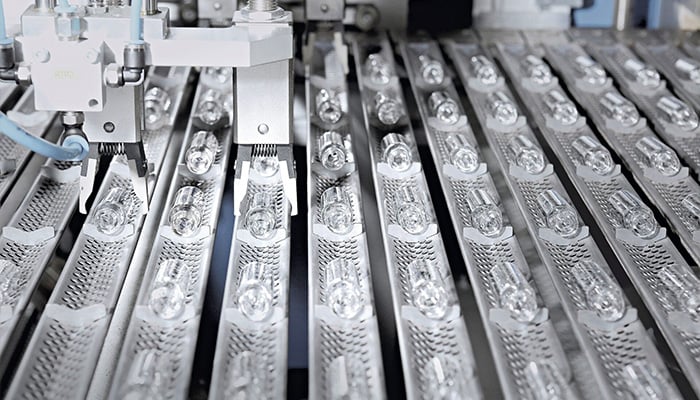
Islamabad : Pakistan’s ceramic tiles and glass manufacturing industries have jointly urged the government to reconsider any further reduction in import duties under the proposed National Tariff Policy (NTP) 2025-30, warning that such a move could trigger the collapse of domestic manufacturing, widespread job losses and severe economic repercussions.
In a joint representation addressed to Special Assistant to the Prime Minister on Industries and Production Haroon Akhtar Khan, the two sectors said they were already operating at only 50 per cent of their installed capacity due to prevailing economic challenges and adverse policy conditions. They cautioned that the remaining half of production lines had already been shut down, placing the industries in an extremely vulnerable position.
The letter, jointly reflecting the concerns of the Pakistan Glass Manufacturers Association (PGMA) and the All Pakistan Ceramic Tiles Manufacturers Association (APCTMA), stated that any further reduction in import duties would expose local manufacturers to an overwhelming influx of low-cost imports, making it impossible for domestic producers to compete.
The associations warned that, under the current circumstances, additional tariff concessions on imported glass and ceramic tiles could lead to the complete shutdown of both industries in Pakistan. Such an outcome, they said, would not only eliminate significant industrial capacity but also result in substantial employment losses, undermine local investment and increase the country’s dependence on imported products.
They stressed that Pakistan’s manufacturing sector was already facing immense pressure from rising production costs, reduced demand and a challenging business environment.
The associations appealed for immediate government intervention and urged policymakers to carefully assess the likely consequences of the proposed tariff reforms before taking a final decision. They maintained that safeguarding local manufacturing was essential for economic stability, industrial self-reliance and sustainable employment generation.