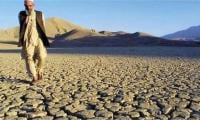
Rawalpindi : In Pakistan, summer does not arrive quietly. It comes with blazing afternoons, crowded bazaars, long power cuts, hot rooms and families trying to keep elderly parents comfortable when the temperature becomes unbearable. For most healthy people, this is exhausting. For patients with high blood pressure, heart disease, previous heart attack, heart failure, stroke, diabetes or kidney disease, it can be dangerous.
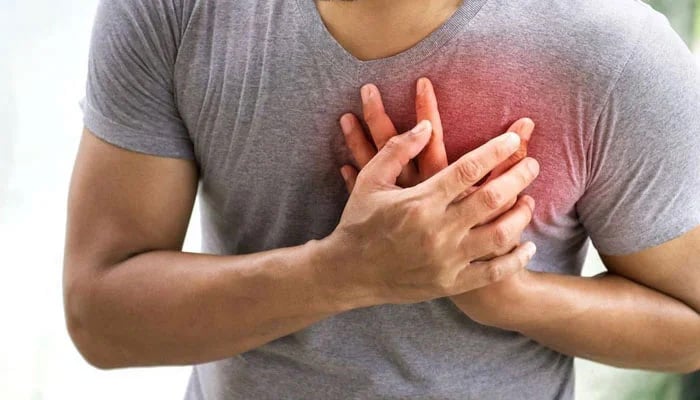
Extreme heat makes the body work harder. To cool itself, the body sweats and sends more blood towards the skin. This puts extra strain on the heart. Sweating also causes loss of water and salts. If this continues, a patient may become dehydrated, dizzy, weak or faint. In serious cases, heat can trigger kidney problems, abnormal heartbeat, chest pain, heart attack or stroke.
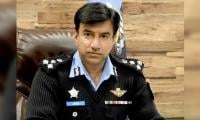
Medical Superintendent at Rawalpindi Institute of Cardiology Dr. Qurban Hussain Khan expressed this while talking to ‘The News’ on guidelines for patients with high blood pressure and heart disease during summer. “Elderly patients, outdoor workers, people living in poorly ventilated homes, and those taking diuretics, commonly known as “water tablets are especially vulnerable.”
He added that some blood pressure medicines can also cause light-headedness if the patient becomes dehydrated, however, one rule is very important: do not stop your medicines on your own. Instead, take extra precautions. Contact your doctor if you feel repeatedly dizzy, faint, extremely weak, or if your urine becomes very little or very dark.
He said to protect yourself, avoid going outside between 11:00 a.m. and 4:00 p.m., the hottest hours of the day. Plan bazaar visits, bank work, outdoor chores and clinic appointments early in the morning or after sunset. During load-shedding, move elderly and heart patients to the coolest room in the house, preferably on the ground floor. Keep the room ventilated where possible. Use fans, cool wet towels and sponging with cool water, he advised.
He added that take water regularly. Do not wait until you are very thirsty. However, patients with heart failure or kidney disease should follow their doctor’s advice about daily fluid limits. They should avoid taking repeated ORS (Nimkol) unless advised by a doctor. Too much chai, coffee, sugary cold drinks and energy drinks should also be avoided, as these may worsen dehydration or disturb sugar control, he said.
Wear loose, light-coloured cotton or lawn clothes. When going outside, use an umbrella, cap, dupatta or scarf. Outdoor workers, drivers, security guards, labourers and street vendors should take shade and rest breaks whenever possible, said Dr. Qurban. Families should check elderly parents and grandparents during the afternoon, especially during power cuts.
On warning signs, he said heat illness can worsen quickly. Early action can prevent serious complications. Common signs of heat exhaustion include heavy sweating, weakness, dizziness, headache, nausea, muscle cramps, fast heartbeat or faintness. Move the person to a cool, shaded place. Loosen tight clothing. Use a fan. Sponge the body with cool water. Apply cool wet cloths to the forehead, neck, armpits and groin. Give small sips of water or ORS only if the patient is fully awake and able to drink safely. Patients with heart failure or kidney disease should be especially careful with ORS and should seek medical advice early, he explained.
If available, check blood pressure and blood sugar, especially in diabetic patients. Do not allow the person to return to outdoor work or exercise the same day. Take the patient to the nearest emergency department immediately if there is chest pain, severe breathlessness or severe palpitations. Fainting, confusion, drowsiness, slurred speech or fits are also emergencies, as is sudden weakness, numbness or facial drooping on one side of the body, he said.
Do not wait at home if there is persistent vomiting, very low blood pressure, passing very little urine, or a very high body temperature with confusion, collapse or unconsciousness. These may be signs of heatstroke, heart attack, stroke, severe dehydration or kidney injury, said Dr. Qurban.
He added if heatstroke is suspected, start cooling the patient while arranging transport to hospital. Use wet sheets, cool water, fans, or ice packs wrapped in cloth and placed on the neck, armpits or groin. Do not pour water into the mouth of a confused, drowsy or unconscious person, as this can cause choking.
Talking of a family responsibility, he said in our homes, elderly parents may avoid drinking water because they do not want to go to the bathroom repeatedly. Some continue housework or fasting despite feeling weak. Outdoor workers may ignore symptoms because they cannot afford to stop working. These are real risks.
This summer, check on elderly relatives, heart patients, neighbours and outdoor workers. Offer shade, water, rest and timely help. A glass of water, a shaded room, a cool towel and an early decision to seek help may be enough to save someone’s life, said Dr. Qurban.
Patients requiring urgent cardiac evaluation or emergency care should attend their nearest emergency department. In Rawalpindi and surrounding areas, cardiac patients may attend Rawalpindi Institute of Cardiology, Rawal Road, concluded MS RIC Dr. Qurban.