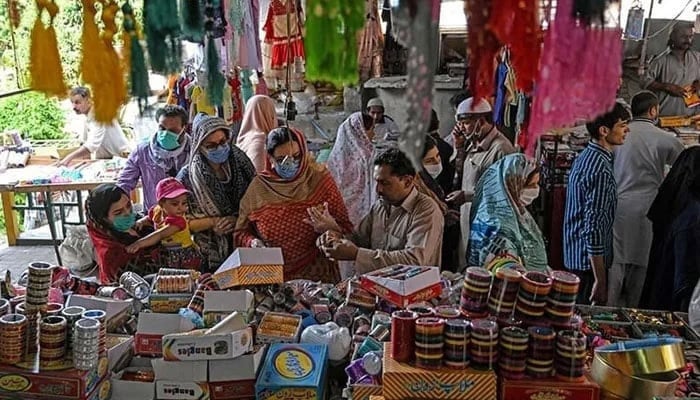
Pakistan’s shift to earlier business closing times has reignited debate over how work hours affect energy use, family life and productivity.
The federal government’s directive to close markets and shopping malls by 8 p.m. across Punjab, Khyber-Pakhtunkhwa, Balochistan, Islamabad Capital Territory, Gilgit-Baltistan and Azad Jammu and Kashmir is framed as an austerity measure.
Officials say it cuts electricity consumption and reduces reliance on imported petroleum products. The policy is not new. Similar orders have been issued before during periods of energy shortage, but they were often temporary and poorly enforced. Citizens now argue that if the measure is to work, it needs to be legislated rather than imposed through short-term notifications. A permanent framework, they say, would allow businesses to adjust staffing, supply chains and customer expectations without repeated disruption.
The case for early hours, proponents point to both economic and social benefits. By closing earlier, shops and malls reduce lighting, air conditioning and generator use during peak evening hours. That eases pressure on the national grid and lowers the fuel import bill at a time when foreign exchange reserves remain under strain.
There is also a social dimension. Many people report that earlier closing gives them more time with family. Markets shutting by 8 p.m. mean staff can return home before late night, and families can share meals and time together. Several traders in Islamabad say that customers have adapted quickly and that sales in the afternoon and early evening have held steady.
Research on health, suggests that early rising and consistent sleep schedules improve mental health, reduce stress and support better sleep quality.
Mornings tend to be quieter and less prone to distraction, making them suitable for focused work, exercise or prayer. In practical terms, earlier sleeping allows people to offer ‘Fajr’ prayers, go for a walk and start the day without sleep deprivation.
Staff concerns and implementation gaps not everyone benefits equally. Most of those affected are not shop owners but employees - sales staff, waiters, cleaners and other support workers who rely on evening shifts for income.
Labour officials say clear rules on wages, shift patterns and transport are needed so that workers are not penalised. Enforcement has also been inconsistent in the past, with some areas complying while others remain open late. A law backed by local governments and chambers of commerce would make the policy easier to enforce uniformly.
As comparison, Pakistan is not alone in adjusting retail hours for energy or social reasons. In India, Bangladesh and Sri Lanka, markets typically close between 8 p.m. and 10 p.m., with variations by city and season. In many parts of Europe, small shops close by 7 p.m. or 8 p.m. on weekdays, while larger malls may stay open until 9 p.m.
The United States and Canada have longer hours, but even there, big-box retailers often reduce late-night trading to cut costs. Countries that observe daylight saving time extend evening daylight and naturally encourage earlier closing in winter.
Pakistan does not currently use daylight saving, so any permanent change to business hours would have to account for seasonal variations in daylight and heat.
If the government intends to make early closing permanent, experts suggest three steps. First, pass legislation that sets clear hours for different categories of business, with exemptions for essential services such as pharmacies, hospitals and transport. Second, involve trade bodies and worker representatives in drafting the rules to protect employment and wages. Third, invest in public awareness and enforcement mechanisms through district administrations and chambers of commerce.
Public opinion appears cautiously supportive. Many citizens say they have adjusted to the new routine and value the extra family time. Traders say predictability matters more than the hour itself. “People will get used to new habits soon,” one retailer said. “Old habits die hard, but they do change.” For a country facing repeated energy shortages and a high import bill, aligning business hours with daylight and energy availability makes practical sense. Whether it delivers lasting gains will depend on whether the policy moves from ad hoc orders to a clear, enforceable law that balances savings with the needs of workers and consumers.