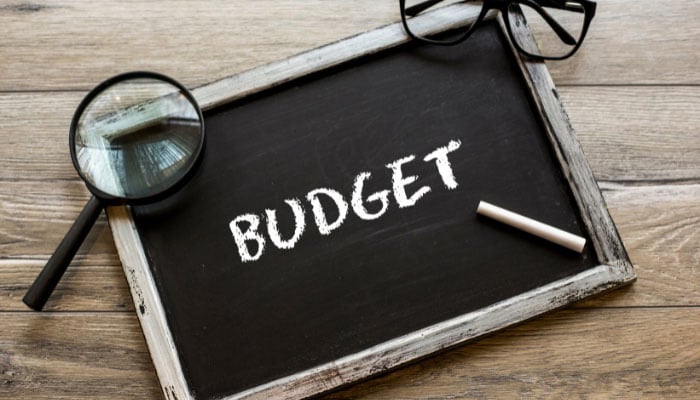
LAHORE: The upcoming federal budget is creating anxiety across Pakistan even before its formal presentation. The salaried class, pensioners, workers and small businesses fear another wave of taxation imposed under pressure from the International Monetary Fund (IMF).
Yet, while the poor dread survival, sections of the wealthy and corporate elite are fiercely resisting the continuation of the super tax. This divide reflects the harsh economic reality of Pakistan. Over the last decade, the purchasing power of ordinary citizens has eroded drastically. Inflation, currency depreciation, rising utility tariffs and indirect taxation have forced millions of families to compromise on food quality, healthcare and education for their children. For many households, meat, milk and fruits have become occasional luxuries rather than daily necessities. Private schooling and quality medical treatment are increasingly beyond reach.
Against this backdrop, public fear of new taxes is genuine. The masses believe — with reason — that every new budget eventually translates into higher electricity bills, expensive fuel, rising transport fares and costlier essentials. Yet the story of Pakistan’s corporate and wealthy classes has been remarkably different.
Financial disclosures of major corporations, banks and large business groups indicate that many have doubled or even tripled their wealth during the same decade in which ordinary Pakistanis became poorer. Ironically, several sectors witnessed extraordinary profitability even during periods of economic slowdown and recession.
Pakistan’s taxation structure is heavily tilted toward indirect taxation, which disproportionately hurts the poor and middle class. Levies on petroleum products, electricity, gas and sales taxes are paid by everyone regardless of income level. A labourer buying flour and a billionaire purchasing luxury items both pay the same sales tax rate.
Take the petroleum levy as an example. While the entire population bears the burden through increased transportation and commodity prices, the rich largely pass these costs on to consumers through higher prices of goods and services. Their personal contribution remains marginal compared to the crushing impact on lower-income groups.
This explains why powerful business lobbies rarely launch serious resistance against indirect taxes. Such taxes are ultimately recovered from consumers. The corporate sector frequently argues that businesses in Pakistan are “over-taxed” compared to regional economies. Yet this claim raises an obvious question: if taxation is so unbearable, how did corporate wealth expand so dramatically during the same period?
Consider the banking sector. A decade ago, banks were collectively paying roughly Rs50 billion in income taxes. Today, their tax payments exceed Rs100 billion. But these higher taxes were accompanied by record profitability, unprecedented spreads and soaring shareholder returns. Clearly, taxation did not cripple the sector.
Another frequently repeated argument is that higher taxes will drive investors out of Pakistan. This threat also deserves scrutiny. Pakistan’s tax-to-GDP ratio remains around 11 per cent — far below the average of nearly 34 per cent in many Organisation for Economic Co-operation and Development economies. If businesses are willing to operate profitably in countries with far higher taxation, why should moderate additional taxation in Pakistan suddenly become intolerable?
The reality is that many wealthy groups continue to enjoy extensive exemptions, loopholes and undertaxed assets. Real estate gains — a major source of wealth for corporate and elite families — often escape meaningful taxation. Agricultural income, where many large business families have heavily invested, also remains lightly taxed despite generating enormous profits.
Pakistan’s tax system therefore punishes documented salaried individuals and consumers while allowing substantial wealth to remain undertaxed. Even globally, this pattern is not unique. A study conducted during the administration of Joe Biden revealed that when unrealized capital gains were included, the top 400 billionaire families in the United States paid an effective federal tax rate of only 8.2 per cent between 2010 and 2018.
A government already squeezing a depressed population through inflation and indirect taxation cannot indefinitely protect untaxed or lightly taxed wealth. Fiscal stability cannot emerge from extracting more from those who already have little left to sacrifice.