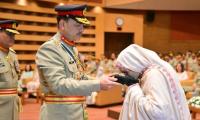
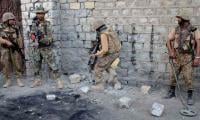
The nation has just commemorate the first anniversary of Marka-e-Haq few days ago, in which Pakistan’s Armed Forces achieved a historic victory against India, a much bigger adversary with superior conventional strength and sophisticated technologies. The four-day conflict between India and Pakistan in May 2025 is undoubtedly the most significant in the past few decades.
After the terrorist incident in the Baisaran Valley near Pahalgam, which killed 26 tourists, India rapidly attributed the incident to militant groups allegedly based in Pakistan. As an impulsive reaction, India suspended the Indus Waters Treaty and Simla Agreement while imposing visa bans and border closures. In a tit-for-tat response, Pakistan closed its airspace, imposed trade bans, visa restrictions, and the suspension of diplomatic ties.
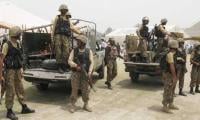
On May 7, India resorted to unprovoked aggression by targeting the civilian population in Azad Kashmir and Pakistan under the pretext of targeting militant infrastructure and conducting preventive strikes. The Pakistan Air Force reportedly shot down 7 Indian aircraft, dooming Operation Sindoor. The four-day conflict between the two nuclear-armed rivals witnessed military action surpassing historical thresholds.
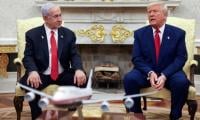
After showing strategic patience and optimising offensive options, Pakistan retaliated on May 10, launching a well-orchestrated precision strike on key military installations of the adversary. The scale and intensity of Pakistan’s response compelled the international community to prompt intervention, which eventually led to a US-brokered ceasefire that ended the hostilities. Operation Bunyanum Marsoos and its framing as Marka-e-Haq reflect a defensive spirit.
Throughout the conflict, strategic communication and narrative building played a significant role in shaping perceptions at both domestic and international levels. The credibility and clarity of Pakistan’s well-crafted narrative helped raise public morale, fortify national unity, strengthen national resilience, and mould international perception.
Operation Sindoor was meant to punish Pakistan. For Pakistan, Marka-e-Haq meant blunting the blow, denying the aggression and the “new normal” being attempted, thereby reinforcing deterrence.
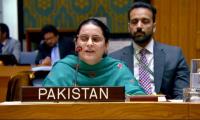
Pakistan’s policy of restraint while showing firm resolve and the capability to defend its borders elevated its status globally. Today, Pakistan is a successful mediator in global crises. Its role in diplomacy throughout the war has been central to the attention of the international community. Leaders across the globe have appreciated the vital role Pakistan has played so far.
Nuclear deterrence has played a decisive role in every crisis India has initiated in the post-1998 period. Pakistan’s nuclear capability was an influential factor throughout the crisis, alongside operational readiness, conventional strength, and technological capabilities. Finally, a professional armed force alongside robust military capabilities is key to national survival in this volatile security environment where India continues to pose security challenges to regional countries, particularly Pakistan.
-The writer is Associate Director Research at BTTN, BUITEMS, Quetta