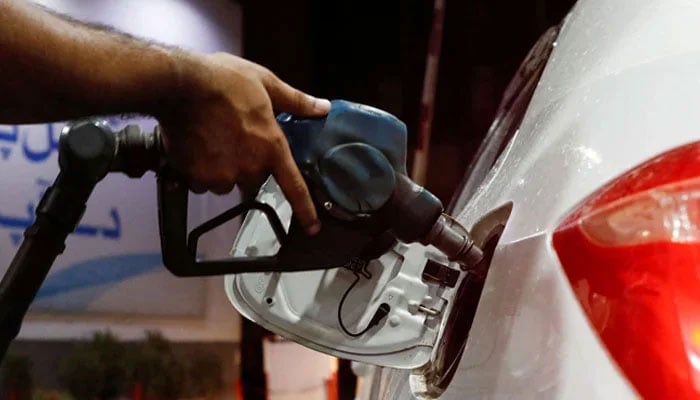
KARACHI: Pakistan’s petroleum demand is expected to record steady growth over the next five years, with total consumption projected to rise from 18.64 million metric tonnes in FY2025-26 to 20.92 million metric tonnes by FY2029-30, according to an oil sector report.
The projections point to rising demand for major petroleum products, particularly motor gasoline (mogas) and high-speed diesel (HSD).
Mogas demand is forecast to increase from 7.99 million metric tonnes in FY2025-26 to 9.17 million metric tonnes by FY2029-30. The outlook is based on expectations of improved macroeconomic conditions, including stronger economic activity, greater exchange rate stability and moderating inflation. Rising per capita income levels are also expected to support higher fuel consumption.
Similarly, HSD demand is projected to grow from 7.28 million metric tonnes to 8.33 million metric tonnes during the forecast period. However, the report warned that the increasing use of solar-powered agricultural solutions and the possibility of illicit fuel trade could pose risks to diesel consumption growth.
Demand for aviation fuel JP-1 is expected to grow by 1-2 per cent annually, while JP-8 demand linked to defence requirements is projected to increase by around 1.0 per cent a year.
Furnace oil demand is expected to remain stable at 2.5 million metric tonnes annually over the five-year period.
The report noted that demand for products such as light diesel oil (LDO) and superior kerosene oil (SKO) would largely depend on production availability from local refineries. Limited domestic consumption of furnace oil is expected to direct a significant share of locally produced volumes towards export markets.
The report reflected cautious optimism regarding Pakistan’s economic recovery and industrial expansion. Energy sector stakeholders are expected to closely monitor infrastructure development, policy reforms, fuel pricing mechanisms and the pace of renewable energy adoption.
Industry experts said the projected growth in petroleum demand underscores the importance of strengthening refinery capacity, improving supply chain efficiency and advancing long-term energy diversification strategies.
The report added that while traditional petroleum products are expected to remain dominant in Pakistan’s energy mix over the medium term, evolving global energy trends and domestic policy decisions could significantly influence future consumption patterns.
It said sustained economic recovery, regulatory clarity and investment in energy infrastructure would remain critical to maintaining market stability and meeting the country’s growing fuel demand through 2030.